What makes one Tiburon home appraise higher than another, even when they look similar on paper? If you live on the Tiburon peninsula or in Belvedere, you know that views, shoreline access, and even a single easement can change value in a big way. Understanding how appraisers evaluate these details can help you prepare, avoid surprises, and support your price. In this guide, you’ll learn how the process works, what drives value locally, and what you can do to set up a smooth appraisal. Let’s dive in.
Appraisal basics and ordering
A home appraisal is an independent opinion of market value that a lender uses to underwrite a loan. Appraisers follow the nationally recognized Uniform Standards of Professional Appraisal Practice. In California, licensing and consumer protections are overseen by the California Bureau of Real Estate Appraisers.
In a financed sale, the lender typically orders the appraisal and assigns it through an appraisal management system to keep the appraiser independent. In a cash deal, either party may order a private appraisal. An appraisal is not the same as an inspection or a broker CMA. An inspection looks at condition and defects, while a CMA is an agent’s opinion based on the market. The appraisal is a formal, standardized valuation.
Step-by-step appraisal process
1) Assignment and scope
The appraiser confirms the client, purpose, and scope of work. That scope might include a full interior and exterior inspection, an exterior-only review, or a hybrid product if the lender allows it. The appraiser also confirms the required report format and delivery timeline.
2) Inspection and data collection
Expect measurements, photos, and notes about condition, layout, and upgrades. In Tiburon and Belvedere, appraisers also pay close attention to view corridors, topography, setbacks, and shoreline elements. They document what is permanent, what could change, and anything that affects marketability.
3) Research and analysis
The appraiser researches comparable closed sales, pending sales, and listings for context. They review public records and permits, check zoning and flood status, and note any special features like private docks or view easements. Local planning references like Town of Tiburon Planning and City of Belvedere planning help confirm rules that affect improvements.
4) Valuation approaches
For single-family homes, the Sales Comparison Approach usually carries the most weight. The Cost Approach may be used for newer or highly unique builds, and the Income Approach is rare unless the home produces income. Appraisers reconcile all relevant approaches and explain their choices.
5) Reconciliation and delivery
After applying adjustments to comparable sales, the appraiser reconciles the data and provides a final opinion of value. The report includes photos, sketches, a market analysis, flood disclosures, and required certifications. Lenders review the report in underwriting and may request clarifications.
Tiburon value drivers
View corridors and quality
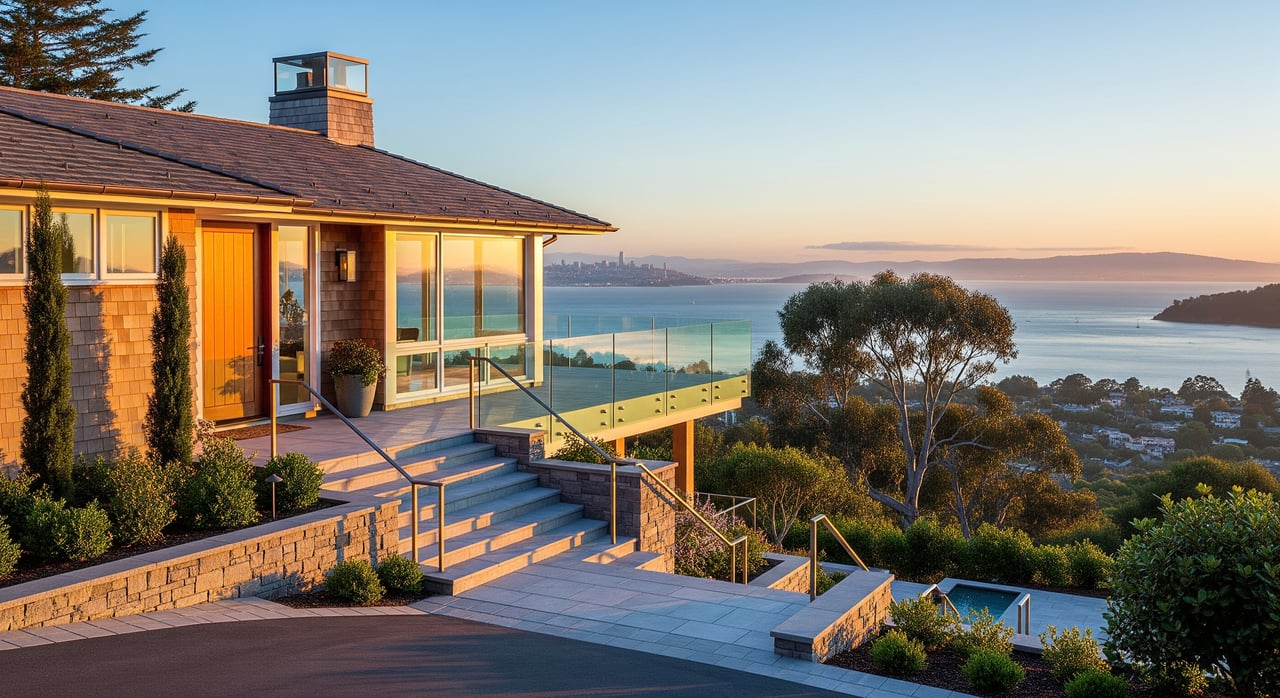
View matters, but so does the permanence and width of the corridor. Appraisers classify views by quality, from panoramic and unobstructed to partial or distant. They look at whether a view could be blocked, the angle and breadth, seasonal conditions, and nearby features that add or subtract visual appeal. Adjustments for view are supported by market evidence when available.
Waterfront proximity and shoreline features
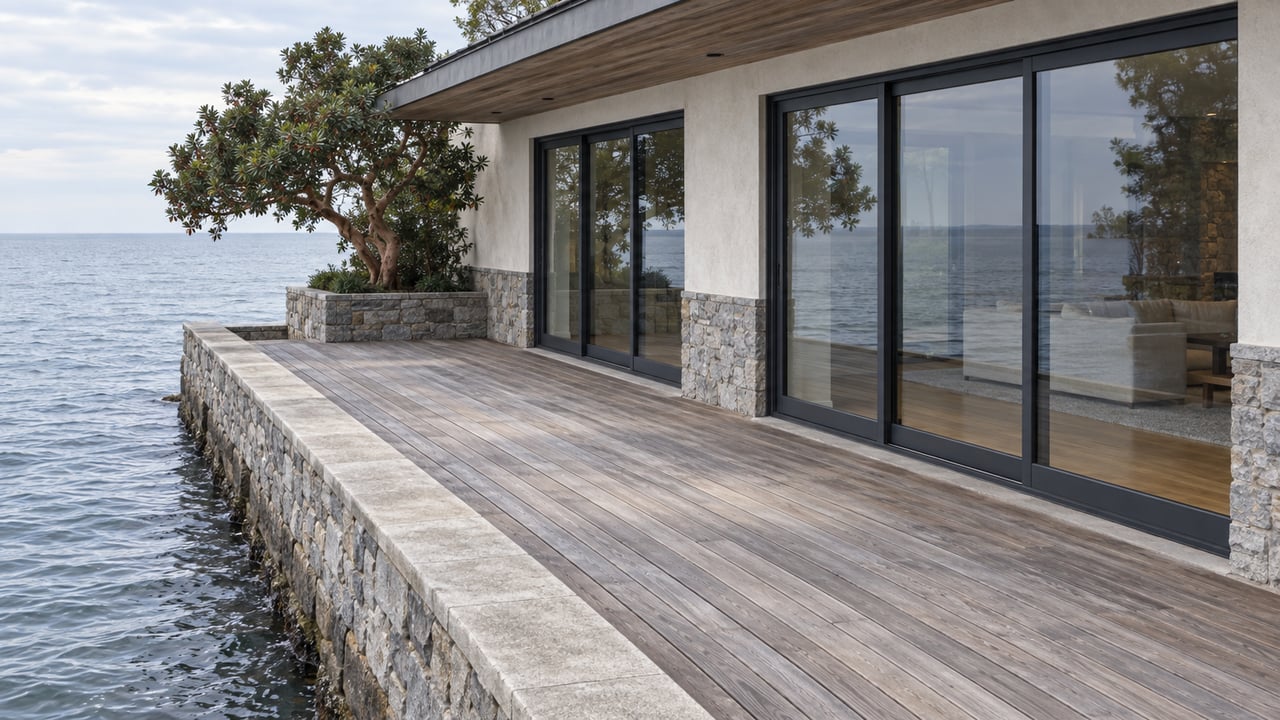
Not all waterfront is the same. Direct shoreline lots, bulkheaded properties with seawalls, homes with private docks, and bluff-top sites each affect value differently. Appraisers consider elevation, flood risk, seawall or piling condition, and permit history for shoreline improvements. Resources like the FEMA Flood Map Service Center and the NOAA Sea Level Rise Viewer help evaluate hazards and insurability, which can influence demand.
Lot size, topography, and buildability
Usable outdoor space and access on steep or terraced lots are critical in the hills of Tiburon and Belvedere. Zoning constraints, setbacks, and the potential to expand also shape value. Local planning departments and Marin County resources provide context for what is feasible on a given site.
Market liquidity and time horizon
Low turnover of desirable waterfront and view properties means there are often fewer true comps. Appraisers may expand the time window or geographic radius and then apply time and location adjustments. Older but highly relevant comps can still be persuasive with solid market trend support.
Neighborhood and municipal factors
Access to ferry service and commute routes, hillside permitting timelines, and HOA rules where applicable all affect marketability. Appraisers note these influences but rely on verifiable market data to quantify their impact.
Selecting comparable sales
In high-end Tiburon and Belvedere transactions, close matches can be scarce. Appraisers prioritize sales with similar view or waterfront quality, lot usability, effective age, and condition. When perfect matches are not available, they use older sales with time adjustments or look to nearby waterfront neighborhoods with similar demand patterns.
Common adjustments in this area include:
- View quality differences, such as panoramic vs. partial views
- Waterfront features, including private docks, bulkhead quality, and direct access
- Lot usability and topography, especially on steep or terraced sites
- Condition and upgrades, including seismic work and permitted renovations
- Functional limitations or external risks, such as flood exposure
Appraisers back up adjustments with paired sales when possible, show adjustments on a grid, and include narrative support for unique attributes. Professional guidance from the Appraisal Institute helps inform specialty valuation topics.
Prepare for your appraisal
You cannot tell an appraiser what value to deliver, but you can provide clear, verifiable information. A concise, well-organized package helps the appraiser see what makes your home stand out.
Build a “subject property” packet:
- Property facts: room counts, gross living area, lot size, year built, effective age
- Upgrades and repairs: dates, scopes, and approximate costs
- Permits and final sign-offs for major work; disclose any unpermitted items
- Floor plan and recent professional photos
- Survey or plot plan if available, including setbacks and easements
Document shoreline and hazard items when relevant:
- Seawall or bulkhead condition reports and maintenance history
- Dock or pier permits and mooring rights, if applicable
- Elevation certificate and recent flood insurance quotes
- FEMA and NOAA references for current hazard mapping
Strengthen the market context:
- Provide 3 to 6 of the most relevant closed comps with MLS sheets and a brief rationale
- Note any pending sales and active competitors for context
- Call out any concessions or non-arm’s-length situations you know about
Understand what the appraiser will verify:
- Public records, tax data, and recorded easements
- Flood zones, elevation, and permits through local and federal sources
- Closed-sale data and listing histories
If you have questions about disclosure requirements, consult the California Association of Realtors disclosure guidance. For flood coverage details, the National Flood Insurance Program is the key resource.
If value comes in low
Sometimes an appraisal lands below the contract price, especially with one-of-a-kind homes. If that happens, take a measured approach.
- Review for factual errors and omissions. Correct room counts, view classifications, lot size, or missed permits can matter. Submit concise, documented corrections to the lender.
- Share additional closed comps. Focus on the most comparable sales and explain your rationale. The appraiser must verify any data provided.
- Ask about reconsideration of value through the lender. There is no guarantee, but lenders can request a review.
- Consider deal options. You might renegotiate, increase the down payment to bridge the gap, seek a second appraisal if policy allows, or cancel based on your contingencies.
Timing, qualifications, independence
Turnaround time depends on complexity and appraiser availability. Unique waterfront or view properties often require more research than a typical home, so plan for a longer timeline. To ensure quality, look for a state-certified appraiser with strong local experience. You can verify licensing with the California Bureau of Real Estate Appraisers and review professional education through the Appraisal Institute.
Lenders must maintain appraiser independence, so direct pressure on value is not allowed. Many lenders use appraisal management companies to assign orders while keeping distance from the valuation outcome. Standards are guided by USPAP.
Permits, hazards, and insurance
Permits, easements, and hazard exposure often carry real value implications in Belvedere and Tiburon. Check project feasibility and permit status with Town of Tiburon Planning and City of Belvedere planning. County-level references, including assessor and planning links, can be found through Marin County resources.
For flood mapping and elevation questions, use the FEMA Flood Map Service Center and the NOAA Sea Level Rise Viewer. For insurance and coverage details, review the National Flood Insurance Program. Provide any elevation certificates, insurance quotes, and permit records to the appraiser to support marketability.
Bringing it all together
In Tiburon and Belvedere, small nuances often make big differences. A documented view easement, a well-maintained seawall, or a fully permitted renovation can shift how the market sees your home. By organizing your records and highlighting verifiable strengths, you help the appraiser develop a clear, confident opinion of value.
If you are planning to sell or buy and want local guidance on preparing for an appraisal, reach out to Morgan Team Real Estate. We combine deep Marin experience with full-service listing support so you can move forward with clarity. Book an Appointment.
FAQs
What is a Tiburon home appraisal and who orders it?
- In a financed sale, the lender orders an independent valuation following USPAP to support the loan; cash buyers or sellers can commission a private appraisal.
How long do Tiburon waterfront appraisals take?
- Complex homes with unique views or shoreline features often take longer than standard reports due to research, verification, and limited comparable sales.
How are panoramic bay views valued in Belvedere?
- Appraisers classify view quality and support adjustments with comparable sales when available, focusing on permanence, angle, breadth, and any likely obstructions.
Do unpermitted renovations count toward value?
- Appraisers document them but may discount value or note risk until permits and finals are verified, since marketability and insurability can be affected.
What if my home has a private dock or seawall?
- Docks and shoreline improvements can carry premiums when properly permitted and maintained; appraisers verify condition, permits, and flood or hazard exposure.
What are my options if the appraisal is below the contract price?
- You can submit factual corrections, provide additional closed comps for reconsideration, renegotiate, bridge the gap with cash, seek a second appraisal, or cancel under contingencies.