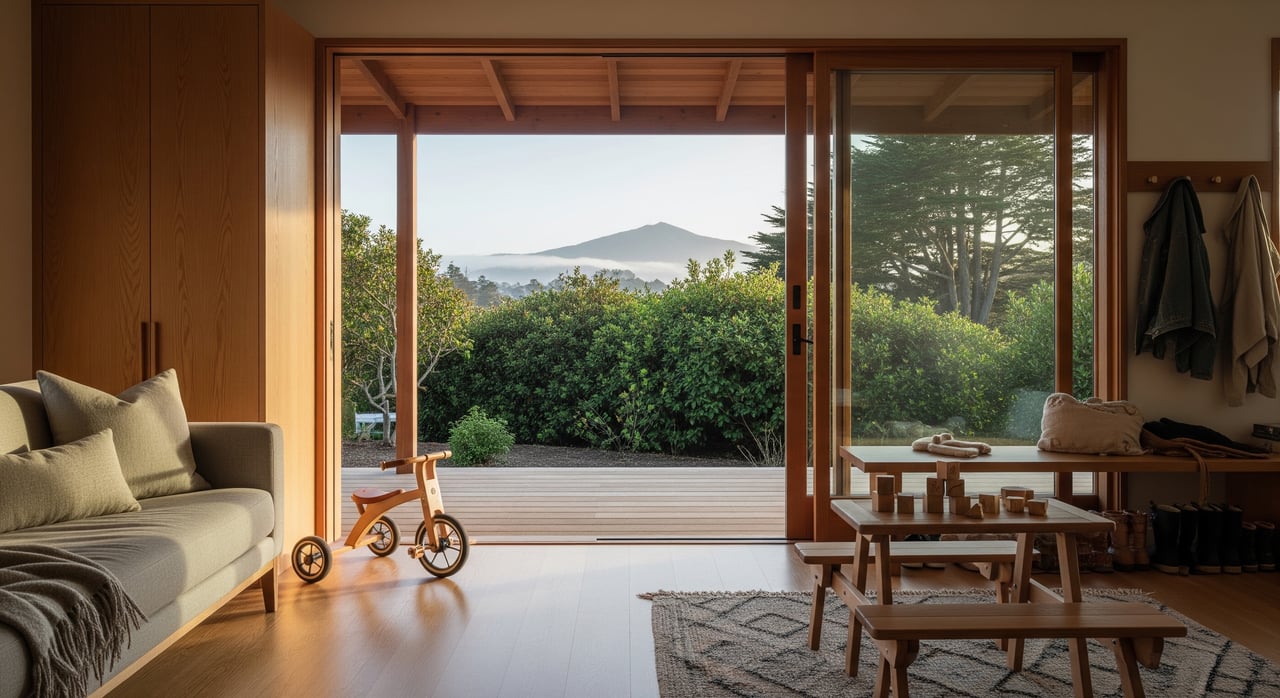
Thinking about raising kids in Mill Valley and wondering what daily life really feels like here? You want nature, community, and solid school options without turning every weekday into a logistics drill. You also want a clear view of costs and commute tradeoffs before you commit. In this guide, you’ll get a practical snapshot of everyday family life in Mill Valley, from schools and parks to errands, commutes, and housing fit. Let’s dive in.
Mill Valley at a glance
Mill Valley sits just north of the Golden Gate Bridge in southern Marin County. It feels like a small, close-knit town with a lively downtown, local arts, and a strong connection to the outdoors. Families are drawn to the balance of village convenience and quick access to redwoods, trails, and beaches.
Neighborhoods vary. Near downtown, you get walkability for errands, playgrounds, and shorter school trips. Hillside and valley areas feel more private and forested. Many families weigh space and privacy against stairs, winding roads, or longer drives. Costs run higher than many Bay Area spots, so expect a premium on housing, childcare, and dining.
School years and childcare
Public school path
Most families follow a two-district path. Elementary and middle grades are served by the local K–8 Mill Valley School District, then high school is through the Tamalpais Union High School District. Schools are generally perceived as strong, and parent involvement is common. For current test scores, programs, and enrollment boundaries, review district and state education resources directly when you plan.
Preschool and early care
You’ll find a mix of private preschools, Montessori programs, church-based options, and independent early-childhood centers. Availability can be tight, so it helps to tour early, join waitlists, and consider nearby towns. Parent co-ops and playgroups are part of the local fabric.
After-school and enrichment
The Mill Valley Recreation Department offers youth classes, sports, and camps throughout the year. Elementary schools often have on-campus care or partner programs. Countywide clubs support soccer, baseball or softball, swimming, and cross-country, along with music and theater. Outdoor education is a standout here, with guided hikes, nature programs, and frequent school field trips that make the most of the redwoods and coastline.
Outdoor life with kids
Redwoods and Mount Tamalpais
Mount Tamalpais State Park is a go-to for family hikes, picnics, and scenic drives. Younger kids can enjoy short, gentle loops, while older kids take on more challenging trails. Weather shifts quickly across ridges and valleys, so dress in layers and check conditions before you head out.
Muir Woods tips
Muir Woods National Monument features old-growth redwoods and flat boardwalks ideal for strollers and little legs. It is popular. Timed entry and parking reservations are often required, so plan ahead and build in extra time for arrival.
Beaches and local parks
Many families spend weekends at nearby Muir Beach or Stinson Beach. Stinson tends to be busier and has more services. Closer to home, you’ll find neighborhood parks, playgrounds, and picnic spots scattered across Mill Valley and adjacent communities, which makes it easy to squeeze in 30–60 minute outings after school.
Everyday logistics
Downtown errands and dining
Downtown Mill Valley covers daily basics with groceries, cafes, bakeries, toy and music shops, and family-friendly restaurants. For big-box retail or wider selection, most families head to Corte Madera, San Rafael, or Larkspur. That split is part of the area’s charm and a practical reality to plan for.
Healthcare and pediatric care
Local clinics and pediatric practices serve routine care. Full-service hospitals and emergency departments are nearby within the MarinHealth system. For specialized pediatric services, many families travel into San Francisco or to dedicated centers elsewhere in Marin.
Camps and community programs
The Mill Valley Recreation Department and local nonprofits run seasonal day camps, sports camps, and enrichment classes. These fill fast, especially for summer. If you have set weeks in mind, mark registration dates early and keep backup options handy.
Commuting and getting around
Driving to San Francisco
Many commuters drive across the Golden Gate Bridge. Travel times are variable, with tolls and peak-hour congestion to factor in. If your office is in the city, you might test-drive your route during a typical school drop-off window to see how your morning stacks up.
Ferries and buses
The Larkspur ferry is a popular alternative for San Francisco-bound commuters. Golden Gate Transit and Marin Transit also run bus routes that serve Mill Valley and connect to key hubs. Schedules change, so check times when planning school pickups or after-school activities.
School-day logistics
Most families rely on personal vehicles for daily errands and school runs, and informal carpools are common. Parking near popular trailheads and parks can be competitive on weekends, especially on clear mornings. A little planning goes a long way.
Housing patterns for families
Home types and lots
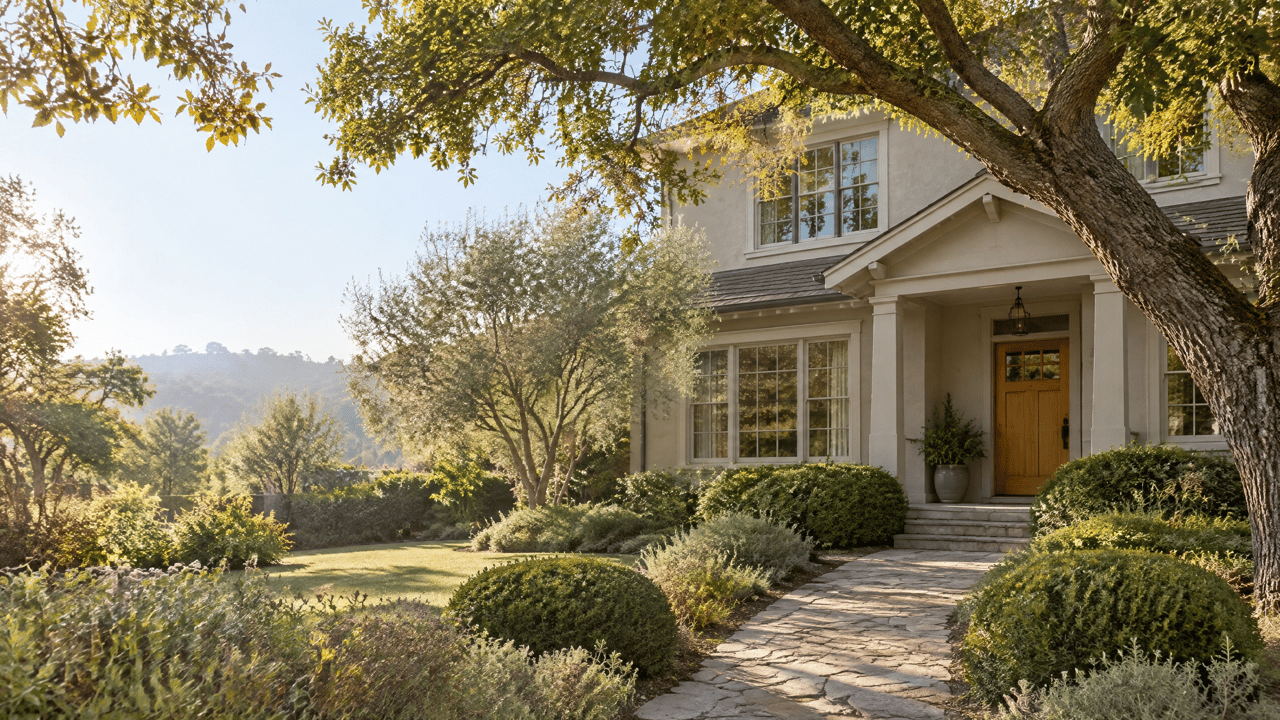
Mill Valley’s housing stock includes historic Craftsman and Victorian homes, mid-century properties, ranch-style homes, and some townhomes or condos. Many sit on sloping or wooded lots. Yard space and proximity to parks or schools are frequent priorities for families.
Neighborhood tradeoffs
The walkable core near downtown keeps daily life simple, with fewer steep streets and shorter trips to schools. Hillside and valley neighborhoods often provide larger lots and privacy. They may also mean stairs, narrow or winding roads, and longer drives. If you have infants or toddlers, test stroller routes and think about garage access for unloading kids and gear.
Adjacent areas like Tamalpais Valley and Homestead Valley offer slightly different home types and price points, with similar access to parks and local services. If you are flexible on location, it is worth comparing several of these subareas side by side.
Costs and upkeep
Home prices and rents are high relative to national averages. Budget planning should include property taxes based on purchase price, care for older homes, and childcare costs if you need them. In forested or hillside locations, plan for maintenance like drainage, retaining walls, and wildfire defensible space where applicable. If you prefer a low-maintenance setup, newer or more updated homes may reduce surprise projects.
A sample family week
- Monday: School drop-off near downtown, a short redwood walk after work, and homework at home before dinner at a casual local spot.
- Tuesday: After-school soccer practice through a local club, followed by a quick grocery run in town.
- Wednesday: Work from home day, midweek story time at a community program, and a neighborhood playground stop.
- Thursday: Ferry commute day, after-school music or theater class, then a simple pasta night.
- Friday: Early pickup, a short trail loop on Mount Tam, and movie night.
- Saturday: Beach morning at Stinson, afternoon downtime, and a backyard barbecue with friends.
- Sunday: Farmers’ market in a nearby town, laundry and prep for the week, and a neighborhood bike ride before early bedtime.
The rhythm is outdoors-forward, with short nature breaks built into regular routines. You can keep things simple during the week and plan bigger adventures on weekends.
Decision checklist for parents
- Clarify your commute. Test your route during peak times. Compare drive, bus, and ferry options.
- Map school details. Review district resources for current boundaries, programs, and enrollment steps.
- Walk the neighborhood. Try stroller routes, check sidewalks, and see how far errands are on foot.
- Try weekday routines. Time a school drop-off, an after-school pickup, and a grocery stop.
- Call early for childcare. Tour preschools, ask about waitlists, and consider nearby towns.
- Budget for the premium. Factor housing costs, taxes, maintenance, and childcare.
- Review natural hazards. Look at local fire and county hazard resources for wildfire and flooding considerations.
- Preview parks and trailheads. Visit your closest playgrounds and favorite short hikes to see how parking and access feel on busy days.
How we help
Choosing a Mill Valley neighborhood with kids is about fit. You are weighing walkability, yard space, school logistics, and long-term budget against a lifestyle that puts redwoods and beaches in your weekly routine. That is where a steady local guide can make the difference.
As a boutique, two-agent team rooted in Marin for generations, we offer patient, practical guidance for both buyers and sellers. For buyers, we help you compare neighborhoods, understand everyday tradeoffs, and navigate offers with confidence. For sellers, we coordinate staging and vendors, manage listing preparation, and deliver full-service marketing that respects your timeline and goals.
If you are considering a move within Mill Valley or relocating into Marin, let’s talk about your family’s plan and timeline. Reach out to the Morgan Team Real Estate to start a conversation.
FAQs
What is the public school path in Mill Valley?
- Families typically enroll in the local K–8 Mill Valley School District, then transition to the Tamalpais Union High School District. Review district resources for current boundaries and programs.
How early should I plan for preschool in Mill Valley?
- Start tours and applications several months in advance. Many programs use waitlists, and some families consider preschools in nearby towns for added options.
How crowded is Muir Woods for family visits?
- It is popular. Timed entry and parking reservations are often required. Plan ahead and build extra arrival time, especially on weekends and holidays.
What are typical commute options from Mill Valley to San Francisco?
- Most families drive across the Golden Gate Bridge, with variable peak-hour traffic and tolls. Some commute by Larkspur ferry or buses through Golden Gate Transit and Marin Transit.
Are there big-box stores in Mill Valley for family shopping?
- Daily essentials are available in downtown Mill Valley. For larger retail or big-box options, most families go to Corte Madera, San Rafael, or Larkspur.
What should I consider about hillside homes with kids?
- Expect more stairs and winding roads, plus maintenance like drainage or defensible space in forested areas. Test daily routes for stroller access and parking convenience.